
Immigration Lawyer Hialeah
Hialeah has always been a city shaped by immigrants. Families from Cuba, Venezuela, Nicaragua, Colombia, the Dominican Republic, and many other countries have built lives here. They’ve opened businesses, raised children, and contributed to the fabric of the community. But immigration isn’t just part of Hialeah’s past — it’s very much part of daily life for thousands of people trying to build a secure future. Whether you’re applying for a visa, renewing a green card, facing removal proceedings, or trying to bring a loved one to the U.S., immigration law is personal — and the stakes are high.
Quick answer: Our immigration attorneys help Hialeah families with family petitions, green cards, citizenship, TPS, asylum, and deportation defense before USCIS and the Immigration Court. We serve Hialeah from our Miami office, in Spanish or English, and every consultation is confidential. Call (305) 461-3077.
At Jimenez Mazzitelli Mordes, we understand how emotional and stressful the immigration process can be. Our firm offers compassionate, experienced legal guidance to help individuals and families in Hialeah navigate a complicated and often unforgiving system.
Immigration Challenges Faced by Hialeah Families
Every immigration journey is different. Some people are seeking a better future. Others are fleeing political oppression or violence. Still others have lived in the U.S. for decades but now face uncertainty due to changing laws or expired documents.
Common immigration needs in Hialeah include:
- Family-Based Immigration: Petitions for spouses, children, parents, and siblings of U.S. citizens and lawful permanent residents.
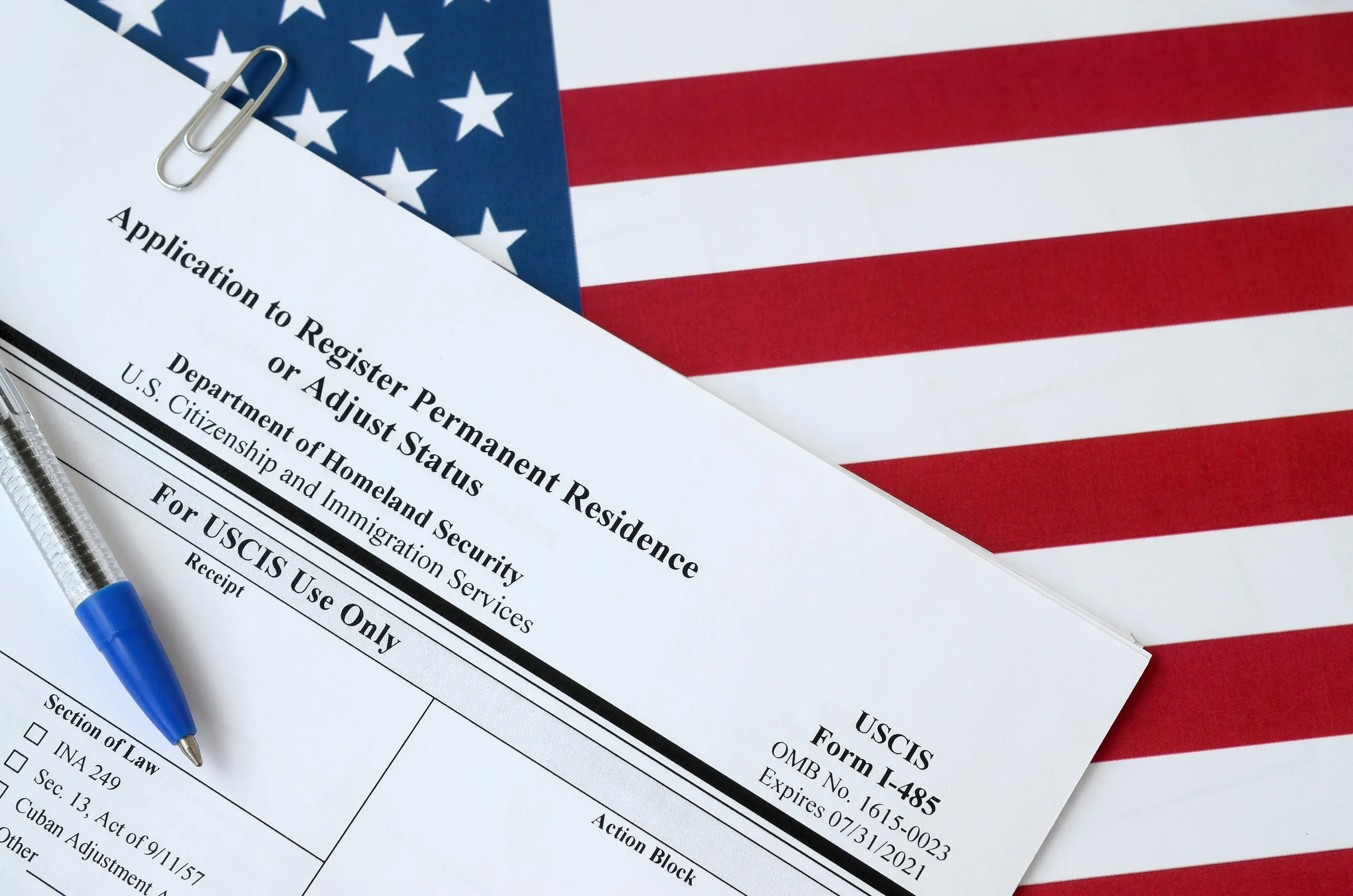
- Adjustment of Status: For people already in the U.S. who are eligible to apply for a green card without leaving the country.
- Work Authorization & Employment Visas: Navigating eligibility for employment-based immigration benefits.
- Naturalization: Helping lawful permanent residents become U.S. citizens.
- Removal (Deportation) Defense: Representation in immigration court for those facing ICE detention or a notice to appear.
- TPS and DACA Support: Guidance for those eligible for Temporary Protected Status or Deferred Action for Childhood Arrivals, including renewals and changes.
What Makes Immigration Law So Difficult?
Immigration law isn’t just paperwork. It’s one of the most complex areas of U.S. law, and it changes often. Even small mistakes — like a missing form, a wrong address, or a missed deadline — can lead to denials, delays, or even removal proceedings. Some people mistakenly trust notarios or unlicensed advisors who make promises but provide no real help. Others try to handle their case alone, only to find themselves trapped in red tape or subject to harsh decisions.
In Hialeah, many families are mixed-status, meaning that some members are citizens or green card holders while others are undocumented or in limbo. Legal solutions exist, but they aren’t always obvious. Having a skilled immigration attorney on your side can mean the difference between a setback and a fresh start.
How We Help Immigration Clients in Hialeah
At Jimenez Mazzitelli Mordes, we don’t treat immigration cases as paperwork — we treat them as people’s lives. We take the time to listen, understand your goals, and help you make informed choices.
We assist with:
- Strategic planning for green cards, visas, and petitions
- Representation in immigration court
- Preparing for USCIS interviews
- Appeals and motions to reopen or reconsider
- Emergency actions in urgent situations
Our immigration attorney Carolina A. Collado, Esq. brings experience, attention to detail, and a deep commitment to every case. Whether you’ve just arrived in the U.S. or you’ve lived here for years, we’ll work hard to help you move forward with confidence.
When to Speak to an Immigration Lawyer
It’s never too early to get legal advice. In fact, consulting an immigration lawyer before you file paperwork or attend a USCIS interview can save you time, money, and heartache. You should reach out to an attorney if:
- You’re thinking about sponsoring a family member
- You’re facing possible deportation or detention
- You’ve been accused of fraud or misrepresentation
- Your visa, work permit, or green card is about to expire
- You’ve received a Request for Evidence (RFE) or denial notice
If you’re in Hialeah and unsure of your immigration status — or worried about a family member’s situation — we’re here to help.
Get in Touch Today
Immigration is a deeply personal matter. You deserve a lawyer who treats your case with the care it deserves. At Jimenez Mazzitelli Mordes, we are proud to represent immigrants and their families in Hialeah and throughout South Florida.
To schedule a confidential consultation, contact:
Carolina A. Collado, Esq.
???? 305-461-3077
???? info@jmmlawfirm.com
We’ll answer your questions, help you understand your options, and give you the support you need to move forward.
Frequently Asked Questions
1. How long does it take to bring a spouse or child to the U.S.?
Spouses of U.S. citizens often wait 12–18 months; most other family cases take longer. The time depends on whether the petitioner is a U.S. citizen or green card holder, the relative’s country of origin, and current backlogs. An attorney can help you avoid common delays.
2. What happens if I miss a USCIS interview or court date?
Missing a scheduled appointment without proper notice can lead to a denial or even a removal order. If you miss a date, contact a lawyer right away — there may still be options to reschedule or reopen your case.
3. Can I apply for a green card without leaving the country?
Yes, if you’re eligible for adjustment of status, you may be able to apply for a green card from within the U.S. This is often possible for immediate relatives of U.S. citizens, people with valid visa entries, or those under humanitarian protection.
4. How do I renew or replace my green card?
File Form I-90 with USCIS, online or by mail, within six months before your 10-year card expires, or as soon as it is lost, stolen, or damaged. An expired card does not end your permanent resident status, but you need a valid card for work, travel, and ID. If you have a two-year conditional card, file Form I-751 instead during the 90 days before it expires.
5. Can my U.S. citizen son or daughter petition for me?
Yes, once your child is 21 or older. A U.S. citizen son or daughter can file Form I-130 for a parent, and parents of adult citizens are immediate relatives with no visa-number wait. If you entered the U.S. with inspection, you may be able to adjust status here; if not, you usually must process abroad and may need a waiver. Get advice before anyone files.
6. Can I lose my green card if I stay outside the U.S. too long?
Yes. A trip of more than six months can lead officers to question whether you gave up your residence, and an absence of one year or more without a reentry permit generally means you cannot use the green card to return. If you must be away a long time, file Form I-131 for a reentry permit before you leave.
7. Can I become a citizen if I have an arrest or criminal record?
Sometimes, but you must disclose every arrest, even dismissed or sealed cases. USCIS reviews your good moral character for the required period, usually five years or three if married to a U.S. citizen, and some offenses bar naturalization or can trigger removal. Gather certified court dispositions and have an attorney review them before you file Form N-400.
Book an Appointment With Us
Schedule a confidential immigration consultation online — choose a time that works for you.
Book Your ConsultationAWARDS AND ORGANIZATIONS

